Horses Can Be Adjusted Too: How Chiropractic Care Can Support Your Horse's Mobility, Comfort and Performance
3 Aug 2026
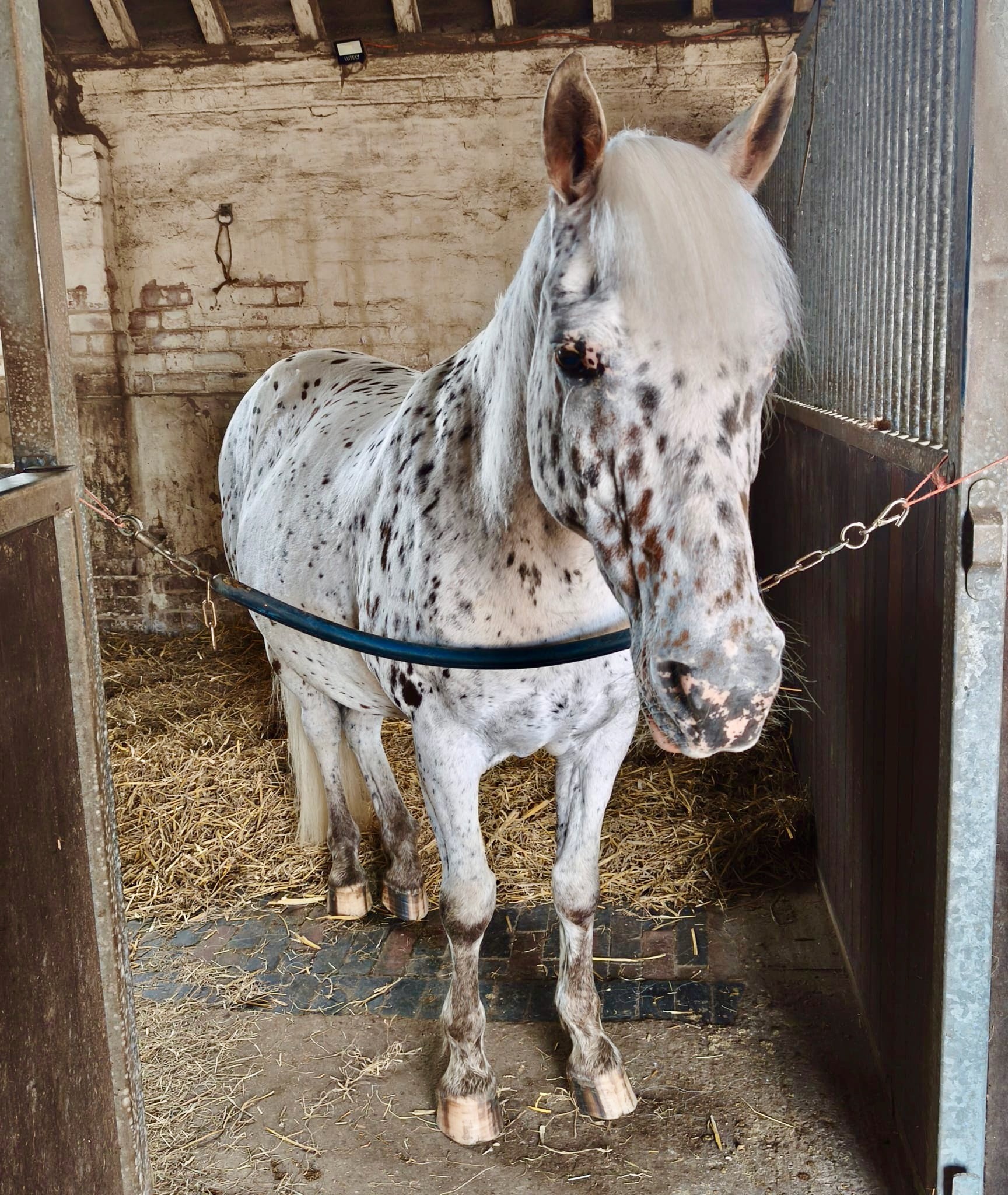
When most people think of chiropractic care, they picture a treatment room, a human patient, and relief from back pain or neck stiffness. But the principles that make chiropractic so effective for people — restoring normal joint movement, reducing muscular tension, supporting the body to move more freely — apply equally well to horses.
Horses Are Athletes Too: Why Spinal Health Matters Under Saddle
Horses are remarkable athletes. Whether they compete in dressage, show jumping, eventing, or racing — or simply enjoy hacking through the countryside — their bodies are subjected to repetitive movements, uneven terrain, and the natural wear and tear that comes with carrying a rider over time.
Just like people, horses can develop stiffness, restricted movement, and muscular imbalances that affect both comfort and performance. A horse's spine and joints play a vital role in how they move. When those joints are not moving as freely as they should, the surrounding muscles often compensate — leading to tension, reduced flexibility, and changes in gait that owners and riders may notice long before a more obvious problem develops.
Chiropractic adjustments are designed to help restore normal joint motion, allowing the body to move more efficiently and comfortably. The same approach we use in sports rehabilitation for human athletes — addressing restrictions before they become bigger problems — applies here too.
What Owners Often Notice After Equine Chiropractic Treatment
Owners who include chiropractic care as part of their horse's wellness routine often report:
Increased flexibility and range of motion
A more balanced, fluid stride
Better willingness to work
Reduced muscle tension
Improved performance under saddle
Greater overall comfort
These changes can be subtle at first, but over time — with regular, preventative care — they can make a meaningful difference to how a horse moves and feels.
One of Our Own Team Members Does It for Her Horse
One of our team is a firm believer in this approach. She makes sure her horse receives regular chiropractic treatment, just as she does herself — and she has seen firsthand how maintaining spinal mobility and addressing areas of stiffness helps keep her horse comfortable, supple, and ready to enjoy work.
For her, it is simply part of responsible, preventative care. Looking after both herself and her horse with the same level of attention.
Preventative Care: The Same Philosophy, a Different Patient
Preventative care is something we encourage for all our human patients, and maintaining good spinal health is a cornerstone of that approach. The same philosophy can apply to horses. Addressing minor restrictions before they develop into bigger issues may help maintain healthy movement and reduce unnecessary strain on muscles and joints over time.
Healthy movement matters — whether you are walking into the office or cantering across a field. Looking after the spine and joints helps both people and horses enjoy greater comfort, mobility, and quality of life.
When to Seek Help — for You or Your Horse
If you are noticing changes in your horse's movement, willingness to work, or general comfort under saddle, it may be worth exploring whether chiropractic care could help. And if you are dealing with back pain, stiffness, or any musculoskeletal discomfort yourself, our team at LSRC is here to help.
Get in touch to book an appointment at our Leamington Spa or Redditch clinic we would love to hear from you.
Horses Can Be Adjusted Too: How Chiropractic Care Can Support Your Horse's Mobility, Comfort and Performance
3 Aug 2026
When most people think of chiropractic care, they picture a treatment room, a human patient, and relief from back pain or neck stiffness. But the principles that make chiropractic so effective for people — restoring normal joint movement, reducing muscular tension, supporting the body to move more freely — apply equally well to horses.
Horses Are Athletes Too: Why Spinal Health Matters Under Saddle
Horses are remarkable athletes. Whether they compete in dressage, show jumping, eventing, or racing — or simply enjoy hacking through the countryside — their bodies are subjected to repetitive movements, uneven terrain, and the natural wear and tear that comes with carrying a rider over time.
Just like people, horses can develop stiffness, restricted movement, and muscular imbalances that affect both comfort and performance. A horse's spine and joints play a vital role in how they move. When those joints are not moving as freely as they should, the surrounding muscles often compensate — leading to tension, reduced flexibility, and changes in gait that owners and riders may notice long before a more obvious problem develops.
Chiropractic adjustments are designed to help restore normal joint motion, allowing the body to move more efficiently and comfortably. The same approach we use in sports rehabilitation for human athletes — addressing restrictions before they become bigger problems — applies here too.
What Owners Often Notice After Equine Chiropractic Treatment
Owners who include chiropractic care as part of their horse's wellness routine often report:
Increased flexibility and range of motion
A more balanced, fluid stride
Better willingness to work
Reduced muscle tension
Improved performance under saddle
Greater overall comfort
These changes can be subtle at first, but over time — with regular, preventative care — they can make a meaningful difference to how a horse moves and feels.
One of Our Own Team Members Does It for Her Horse
One of our team is a firm believer in this approach. She makes sure her horse receives regular chiropractic treatment, just as she does herself — and she has seen firsthand how maintaining spinal mobility and addressing areas of stiffness helps keep her horse comfortable, supple, and ready to enjoy work.
For her, it is simply part of responsible, preventative care. Looking after both herself and her horse with the same level of attention.
Preventative Care: The Same Philosophy, a Different Patient
Preventative care is something we encourage for all our human patients, and maintaining good spinal health is a cornerstone of that approach. The same philosophy can apply to horses. Addressing minor restrictions before they develop into bigger issues may help maintain healthy movement and reduce unnecessary strain on muscles and joints over time.
Healthy movement matters — whether you are walking into the office or cantering across a field. Looking after the spine and joints helps both people and horses enjoy greater comfort, mobility, and quality of life.
When to Seek Help — for You or Your Horse
If you are noticing changes in your horse's movement, willingness to work, or general comfort under saddle, it may be worth exploring whether chiropractic care could help. And if you are dealing with back pain, stiffness, or any musculoskeletal discomfort yourself, our team at LSRC is here to help.
Get in touch to book an appointment at our Leamington Spa or Redditch clinic we would love to hear from you.
Horses Can Be Adjusted Too: How Chiropractic Care Can Support Your Horse's Mobility, Comfort and Performance
3 Aug 2026
When most people think of chiropractic care, they picture a treatment room, a human patient, and relief from back pain or neck stiffness. But the principles that make chiropractic so effective for people — restoring normal joint movement, reducing muscular tension, supporting the body to move more freely — apply equally well to horses.
Horses Are Athletes Too: Why Spinal Health Matters Under Saddle
Horses are remarkable athletes. Whether they compete in dressage, show jumping, eventing, or racing — or simply enjoy hacking through the countryside — their bodies are subjected to repetitive movements, uneven terrain, and the natural wear and tear that comes with carrying a rider over time.
Just like people, horses can develop stiffness, restricted movement, and muscular imbalances that affect both comfort and performance. A horse's spine and joints play a vital role in how they move. When those joints are not moving as freely as they should, the surrounding muscles often compensate — leading to tension, reduced flexibility, and changes in gait that owners and riders may notice long before a more obvious problem develops.
Chiropractic adjustments are designed to help restore normal joint motion, allowing the body to move more efficiently and comfortably. The same approach we use in sports rehabilitation for human athletes — addressing restrictions before they become bigger problems — applies here too.
What Owners Often Notice After Equine Chiropractic Treatment
Owners who include chiropractic care as part of their horse's wellness routine often report:
Increased flexibility and range of motion
A more balanced, fluid stride
Better willingness to work
Reduced muscle tension
Improved performance under saddle
Greater overall comfort
These changes can be subtle at first, but over time — with regular, preventative care — they can make a meaningful difference to how a horse moves and feels.
One of Our Own Team Members Does It for Her Horse
One of our team is a firm believer in this approach. She makes sure her horse receives regular chiropractic treatment, just as she does herself — and she has seen firsthand how maintaining spinal mobility and addressing areas of stiffness helps keep her horse comfortable, supple, and ready to enjoy work.
For her, it is simply part of responsible, preventative care. Looking after both herself and her horse with the same level of attention.
Preventative Care: The Same Philosophy, a Different Patient
Preventative care is something we encourage for all our human patients, and maintaining good spinal health is a cornerstone of that approach. The same philosophy can apply to horses. Addressing minor restrictions before they develop into bigger issues may help maintain healthy movement and reduce unnecessary strain on muscles and joints over time.
Healthy movement matters — whether you are walking into the office or cantering across a field. Looking after the spine and joints helps both people and horses enjoy greater comfort, mobility, and quality of life.
When to Seek Help — for You or Your Horse
If you are noticing changes in your horse's movement, willingness to work, or general comfort under saddle, it may be worth exploring whether chiropractic care could help. And if you are dealing with back pain, stiffness, or any musculoskeletal discomfort yourself, our team at LSRC is here to help.
Get in touch to book an appointment at our Leamington Spa or Redditch clinic we would love to hear from you.