Plantar Fasciitis – What is it? And how we can help treat you:
16 Feb 2026
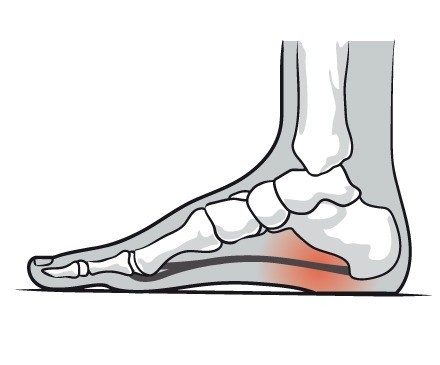
What is plantar fasciitis?
It’s a common condition which can cause pain in the heel or bottom of the foot. It is caused when the plantar fascia (a thick band of tissue which runs along the bottom of your foot, connecting your heel bone to your toes) becomes inflamed or irritated.
Causes:
Overuse – such as running or standing for long hours.
Flat feet or very high arches.
Inadequate footwear (poor arch support or cushioning).
Tight calf muscles or Achilles tendon.
Symptoms:
Sharp heel pain, especially when weight bearing in the morning.
Pain after prolonged standing or activity.
Tenderness along the arch or the bottom of the foot.
Treatment:
Rest and ice.
Stretching exercises (see table below).
Supportive shoes or orthotics.
Over-the-counter pain relievers.
Chiropractic or Sport Therapy Treatment.
How our chiropractor can help:
Our chiropractor will look at your body as a whole, NOT just your foot!
1. Biomechanics & Alignment:
They assess how your feet, ankles, knees, hips, pelvis and spine line up.
Poor alignment (such as over-pronation, leg-length differences, or pelvic tilt) can overload the plantar fascia.
2. Joint Mobilisations or Adjustments:
Gentle adjustments to the foot, ankle, or even the spine can help improve joint motion.
Better mobility = less strain on the plantar fascia.
3. Soft Tissue Work:• Techniques like myofascial release or instrument-assisted or instrument-assisted
Therapy to reduce tightness in calf muscles, Achilles tendon and the plantar fascia.
4. Footwear & Orthotic Advice:
Guidance on supportive shoes or custom orthotics to offload the fascia.
How our Sports Therapists can help:
Sports therapists focus more directly on tissue healing, strength, and load management.
1. Targeted soft tissue therapy:
Deep tissue massage or trigger point work for the calves, foot muscles and Achilles.
This reduces tension pulling on the plantar fascia.
2. Stretching & Mobility:
They may prescribe calf stretches, plantar-fascia specific stretches and ankle mobility drills.
3. Strengthening:
They may prescribe strengthening exercises for the foot muscles, calves, glutes and hips.
Stronger support in the legs = less stress on the fascia.
4. Load Management & Rehabilitation Planning:
Make rehabilitation plans related to your own goals. This may include adjustments to training, running, or workloads so that the tissue can heal.
If you are physically active, they may provide you with a personalised return to sport plan.
5. Taping:
Kinesiology taping may also be used to support the arch and reduce pain short-term.
Why combining both often works best:
Plantar Fasciitis rarely comes from just the foot. It is usually a chain problem:
Tight calves and weak foot muscles.
Poor hip control.
Suboptimal footwear.
Sudden increase in activity.
Chiropractors help optimise movement and alignment, while our sports therapists focus on rehabilitation, strength, and tissue capacity. Together they can address the cause and the symptoms.
3 Simple Exercises to help with your Plantar Fascia Pain:
Aim: Complete exercises daily (or at least 5 times per week).
Exercise 1, Seated Towel Stretch
Best for: morning pain and first steps out of bed.
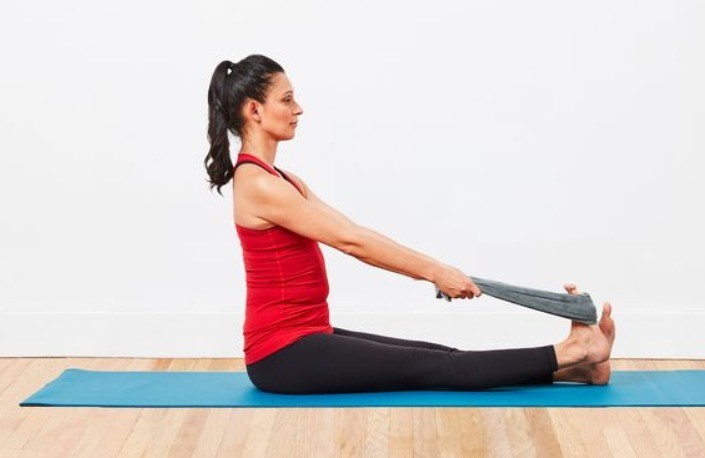
Sit on the floor or bed with one leg straight.
Loop a towel, belt, or band around the ball of your foot.
Gently pull your toes toward you while keeping your knee straight.
You should feel a stretch along the arch of your foot and heel.
Hold for 20-30s, relax and repeat.
Reps – 3-5 per foot.
Exercise 2, Calf Raise (slow and controlled)
Best for: Reducing strain on the plantar fascia.
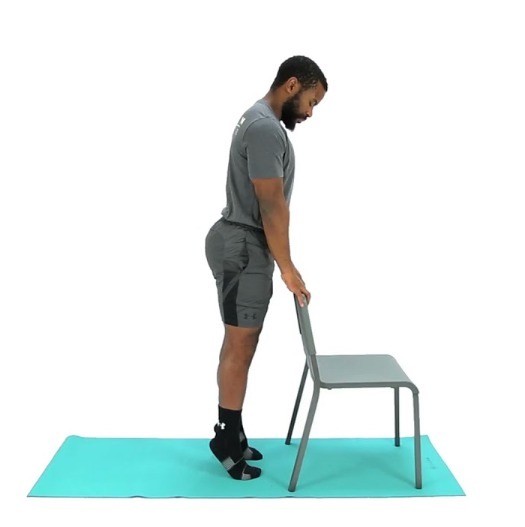
Stand holding a wall or chair for balance.
Slowly rise onto your toes.
Pause for 2 seconds at the top.
Slowly lower your heels back down.
Keep weight even across both feet.
2-3 sets of 10-15 reps.
Progress to single leg when pain decreases.
Exercise 3, Foot arch strengthening (towel scrunch)
Best for: Supporting the arch long-term.
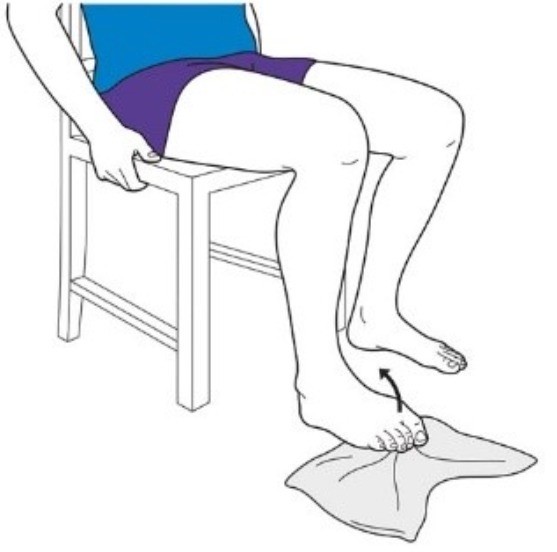
Sit in a chair with a towel flat on the floor.
Place your foot on the towel.
Curl your toes to scrunch the towel towards you.
Keep your heel on the floor.
Relax and repeat.
2 sets of 10-15 scrunches per foot.
Plantar Fasciitis – What is it? And how we can help treat you:
16 Feb 2026
What is plantar fasciitis?
It’s a common condition which can cause pain in the heel or bottom of the foot. It is caused when the plantar fascia (a thick band of tissue which runs along the bottom of your foot, connecting your heel bone to your toes) becomes inflamed or irritated.
Causes:
Overuse – such as running or standing for long hours.
Flat feet or very high arches.
Inadequate footwear (poor arch support or cushioning).
Tight calf muscles or Achilles tendon.
Symptoms:
Sharp heel pain, especially when weight bearing in the morning.
Pain after prolonged standing or activity.
Tenderness along the arch or the bottom of the foot.
Treatment:
Rest and ice.
Stretching exercises (see table below).
Supportive shoes or orthotics.
Over-the-counter pain relievers.
Chiropractic or Sport Therapy Treatment.
How our chiropractor can help:
Our chiropractor will look at your body as a whole, NOT just your foot!
1. Biomechanics & Alignment:
They assess how your feet, ankles, knees, hips, pelvis and spine line up.
Poor alignment (such as over-pronation, leg-length differences, or pelvic tilt) can overload the plantar fascia.
2. Joint Mobilisations or Adjustments:
Gentle adjustments to the foot, ankle, or even the spine can help improve joint motion.
Better mobility = less strain on the plantar fascia.
3. Soft Tissue Work:• Techniques like myofascial release or instrument-assisted or instrument-assisted
Therapy to reduce tightness in calf muscles, Achilles tendon and the plantar fascia.
4. Footwear & Orthotic Advice:
Guidance on supportive shoes or custom orthotics to offload the fascia.
How our Sports Therapists can help:
Sports therapists focus more directly on tissue healing, strength, and load management.
1. Targeted soft tissue therapy:
Deep tissue massage or trigger point work for the calves, foot muscles and Achilles.
This reduces tension pulling on the plantar fascia.
2. Stretching & Mobility:
They may prescribe calf stretches, plantar-fascia specific stretches and ankle mobility drills.
3. Strengthening:
They may prescribe strengthening exercises for the foot muscles, calves, glutes and hips.
Stronger support in the legs = less stress on the fascia.
4. Load Management & Rehabilitation Planning:
Make rehabilitation plans related to your own goals. This may include adjustments to training, running, or workloads so that the tissue can heal.
If you are physically active, they may provide you with a personalised return to sport plan.
5. Taping:
Kinesiology taping may also be used to support the arch and reduce pain short-term.
Why combining both often works best:
Plantar Fasciitis rarely comes from just the foot. It is usually a chain problem:
Tight calves and weak foot muscles.
Poor hip control.
Suboptimal footwear.
Sudden increase in activity.
Chiropractors help optimise movement and alignment, while our sports therapists focus on rehabilitation, strength, and tissue capacity. Together they can address the cause and the symptoms.
3 Simple Exercises to help with your Plantar Fascia Pain:
Aim: Complete exercises daily (or at least 5 times per week).
Exercise 1, Seated Towel Stretch
Best for: morning pain and first steps out of bed.
Sit on the floor or bed with one leg straight.
Loop a towel, belt, or band around the ball of your foot.
Gently pull your toes toward you while keeping your knee straight.
You should feel a stretch along the arch of your foot and heel.
Hold for 20-30s, relax and repeat.
Reps – 3-5 per foot.
Exercise 2, Calf Raise (slow and controlled)
Best for: Reducing strain on the plantar fascia.
Stand holding a wall or chair for balance.
Slowly rise onto your toes.
Pause for 2 seconds at the top.
Slowly lower your heels back down.
Keep weight even across both feet.
2-3 sets of 10-15 reps.
Progress to single leg when pain decreases.
Exercise 3, Foot arch strengthening (towel scrunch)
Best for: Supporting the arch long-term.
Sit in a chair with a towel flat on the floor.
Place your foot on the towel.
Curl your toes to scrunch the towel towards you.
Keep your heel on the floor.
Relax and repeat.
2 sets of 10-15 scrunches per foot.
Plantar Fasciitis – What is it? And how we can help treat you:
16 Feb 2026
What is plantar fasciitis?
It’s a common condition which can cause pain in the heel or bottom of the foot. It is caused when the plantar fascia (a thick band of tissue which runs along the bottom of your foot, connecting your heel bone to your toes) becomes inflamed or irritated.
Causes:
Overuse – such as running or standing for long hours.
Flat feet or very high arches.
Inadequate footwear (poor arch support or cushioning).
Tight calf muscles or Achilles tendon.
Symptoms:
Sharp heel pain, especially when weight bearing in the morning.
Pain after prolonged standing or activity.
Tenderness along the arch or the bottom of the foot.
Treatment:
Rest and ice.
Stretching exercises (see table below).
Supportive shoes or orthotics.
Over-the-counter pain relievers.
Chiropractic or Sport Therapy Treatment.
How our chiropractor can help:
Our chiropractor will look at your body as a whole, NOT just your foot!
1. Biomechanics & Alignment:
They assess how your feet, ankles, knees, hips, pelvis and spine line up.
Poor alignment (such as over-pronation, leg-length differences, or pelvic tilt) can overload the plantar fascia.
2. Joint Mobilisations or Adjustments:
Gentle adjustments to the foot, ankle, or even the spine can help improve joint motion.
Better mobility = less strain on the plantar fascia.
3. Soft Tissue Work:• Techniques like myofascial release or instrument-assisted or instrument-assisted
Therapy to reduce tightness in calf muscles, Achilles tendon and the plantar fascia.
4. Footwear & Orthotic Advice:
Guidance on supportive shoes or custom orthotics to offload the fascia.
How our Sports Therapists can help:
Sports therapists focus more directly on tissue healing, strength, and load management.
1. Targeted soft tissue therapy:
Deep tissue massage or trigger point work for the calves, foot muscles and Achilles.
This reduces tension pulling on the plantar fascia.
2. Stretching & Mobility:
They may prescribe calf stretches, plantar-fascia specific stretches and ankle mobility drills.
3. Strengthening:
They may prescribe strengthening exercises for the foot muscles, calves, glutes and hips.
Stronger support in the legs = less stress on the fascia.
4. Load Management & Rehabilitation Planning:
Make rehabilitation plans related to your own goals. This may include adjustments to training, running, or workloads so that the tissue can heal.
If you are physically active, they may provide you with a personalised return to sport plan.
5. Taping:
Kinesiology taping may also be used to support the arch and reduce pain short-term.
Why combining both often works best:
Plantar Fasciitis rarely comes from just the foot. It is usually a chain problem:
Tight calves and weak foot muscles.
Poor hip control.
Suboptimal footwear.
Sudden increase in activity.
Chiropractors help optimise movement and alignment, while our sports therapists focus on rehabilitation, strength, and tissue capacity. Together they can address the cause and the symptoms.
3 Simple Exercises to help with your Plantar Fascia Pain:
Aim: Complete exercises daily (or at least 5 times per week).
Exercise 1, Seated Towel Stretch
Best for: morning pain and first steps out of bed.
Sit on the floor or bed with one leg straight.
Loop a towel, belt, or band around the ball of your foot.
Gently pull your toes toward you while keeping your knee straight.
You should feel a stretch along the arch of your foot and heel.
Hold for 20-30s, relax and repeat.
Reps – 3-5 per foot.
Exercise 2, Calf Raise (slow and controlled)
Best for: Reducing strain on the plantar fascia.
Stand holding a wall or chair for balance.
Slowly rise onto your toes.
Pause for 2 seconds at the top.
Slowly lower your heels back down.
Keep weight even across both feet.
2-3 sets of 10-15 reps.
Progress to single leg when pain decreases.
Exercise 3, Foot arch strengthening (towel scrunch)
Best for: Supporting the arch long-term.
Sit in a chair with a towel flat on the floor.
Place your foot on the towel.
Curl your toes to scrunch the towel towards you.
Keep your heel on the floor.
Relax and repeat.
2 sets of 10-15 scrunches per foot.