Dry Needling and Acupuncture – What They Are and How They Help Relieve Pain
2 Mar 2026
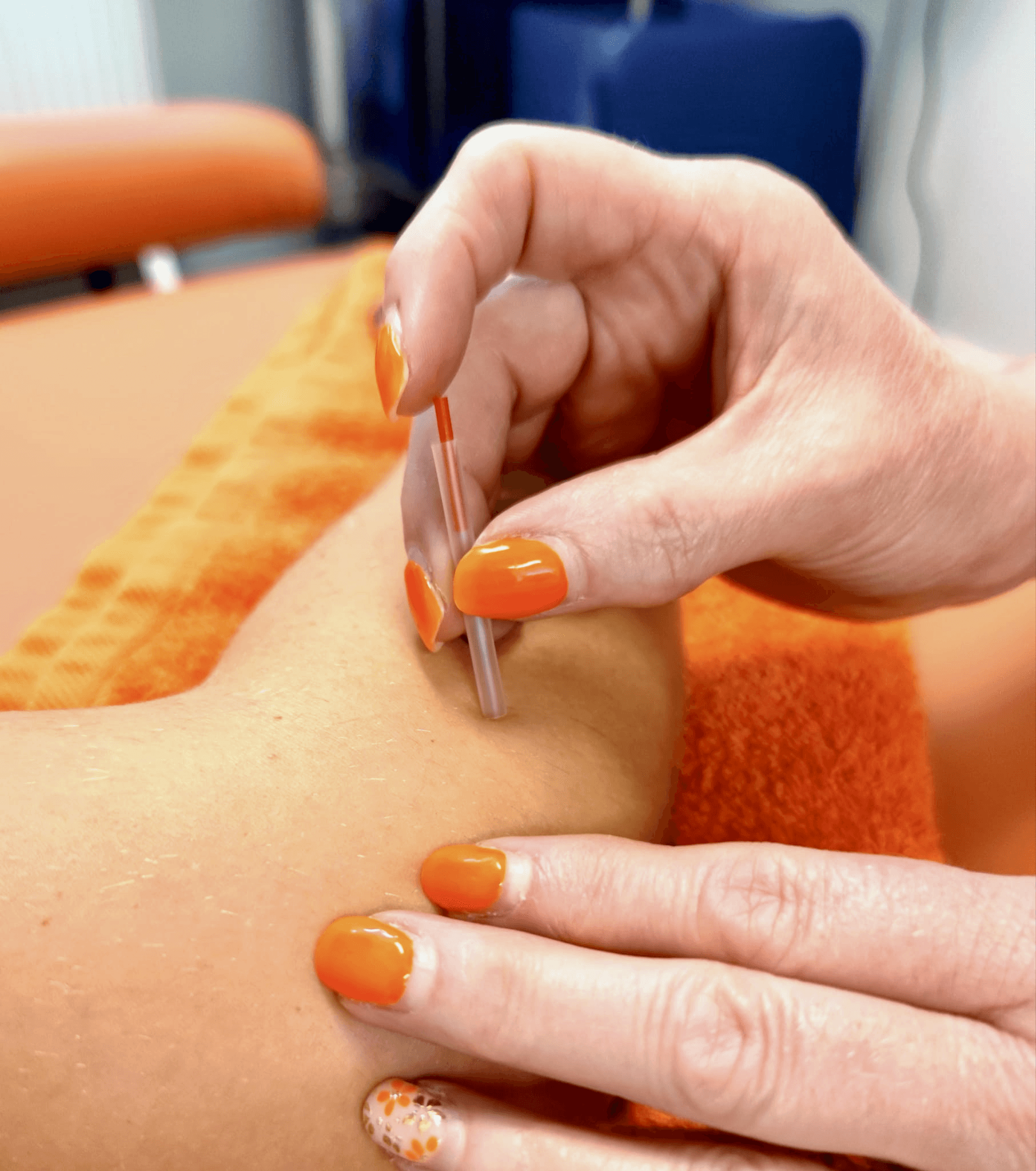
The goal of dry needling is to release muscle tension, improve mobility, and reduce pain by stimulating specific points in the muscle tissue. Unlike acupuncture, dry needling is based on Western medicine and focuses on musculoskeletal issues.
Benefits of dry needling:
Reduces muscle tightness and pain
Improves range of motion and flexibility
Promotes faster recovery after injury
Helps decrease nerve-related pain or tension
Can complement physical therapy and exercise programs
What to expect after a dry needling session:
It's common to feel mild soreness, similar to a workout, for 24–48 hours after treatment. Some individuals may also feel temporary fatigue. Results include reduced pain, improved mobility, and relief from muscle tightness. Drinking water and light movement helps to ease any soreness.
What is acupuncture:
Acupuncture is a traditional Chinese medicine practice that involves inserting very thin needles into specific points on the body to restore balance and promote healing. It is based on the concept of energy flow, known as "Qi," and aims to support overall health and well-being by influencing the body's natural systems.
Benefits of acupuncture:
Reduces stress and anxiety
Relieves chronic pain, headaches, and migraines
Supports digestive and immune health
Improves sleep quality and energy levels
Enhances overall relaxation
What to expect after an acupuncture session:
Many people feel deeply relaxed, calm, or energised after treatment. Some may notice immediate improvements, while others may need several sessions for lasting results.
Dry Needling and Acupuncture – What They Are and How They Help Relieve Pain
2 Mar 2026
The goal of dry needling is to release muscle tension, improve mobility, and reduce pain by stimulating specific points in the muscle tissue. Unlike acupuncture, dry needling is based on Western medicine and focuses on musculoskeletal issues.
Benefits of dry needling:
Reduces muscle tightness and pain
Improves range of motion and flexibility
Promotes faster recovery after injury
Helps decrease nerve-related pain or tension
Can complement physical therapy and exercise programs
What to expect after a dry needling session:
It's common to feel mild soreness, similar to a workout, for 24–48 hours after treatment. Some individuals may also feel temporary fatigue. Results include reduced pain, improved mobility, and relief from muscle tightness. Drinking water and light movement helps to ease any soreness.
What is acupuncture:
Acupuncture is a traditional Chinese medicine practice that involves inserting very thin needles into specific points on the body to restore balance and promote healing. It is based on the concept of energy flow, known as "Qi," and aims to support overall health and well-being by influencing the body's natural systems.
Benefits of acupuncture:
Reduces stress and anxiety
Relieves chronic pain, headaches, and migraines
Supports digestive and immune health
Improves sleep quality and energy levels
Enhances overall relaxation
What to expect after an acupuncture session:
Many people feel deeply relaxed, calm, or energised after treatment. Some may notice immediate improvements, while others may need several sessions for lasting results.
Dry Needling and Acupuncture – What They Are and How They Help Relieve Pain
2 Mar 2026
The goal of dry needling is to release muscle tension, improve mobility, and reduce pain by stimulating specific points in the muscle tissue. Unlike acupuncture, dry needling is based on Western medicine and focuses on musculoskeletal issues.
Benefits of dry needling:
Reduces muscle tightness and pain
Improves range of motion and flexibility
Promotes faster recovery after injury
Helps decrease nerve-related pain or tension
Can complement physical therapy and exercise programs
What to expect after a dry needling session:
It's common to feel mild soreness, similar to a workout, for 24–48 hours after treatment. Some individuals may also feel temporary fatigue. Results include reduced pain, improved mobility, and relief from muscle tightness. Drinking water and light movement helps to ease any soreness.
What is acupuncture:
Acupuncture is a traditional Chinese medicine practice that involves inserting very thin needles into specific points on the body to restore balance and promote healing. It is based on the concept of energy flow, known as "Qi," and aims to support overall health and well-being by influencing the body's natural systems.
Benefits of acupuncture:
Reduces stress and anxiety
Relieves chronic pain, headaches, and migraines
Supports digestive and immune health
Improves sleep quality and energy levels
Enhances overall relaxation
What to expect after an acupuncture session:
Many people feel deeply relaxed, calm, or energised after treatment. Some may notice immediate improvements, while others may need several sessions for lasting results.