What is Myofascial Dry Cupping?
16 Mar 2026
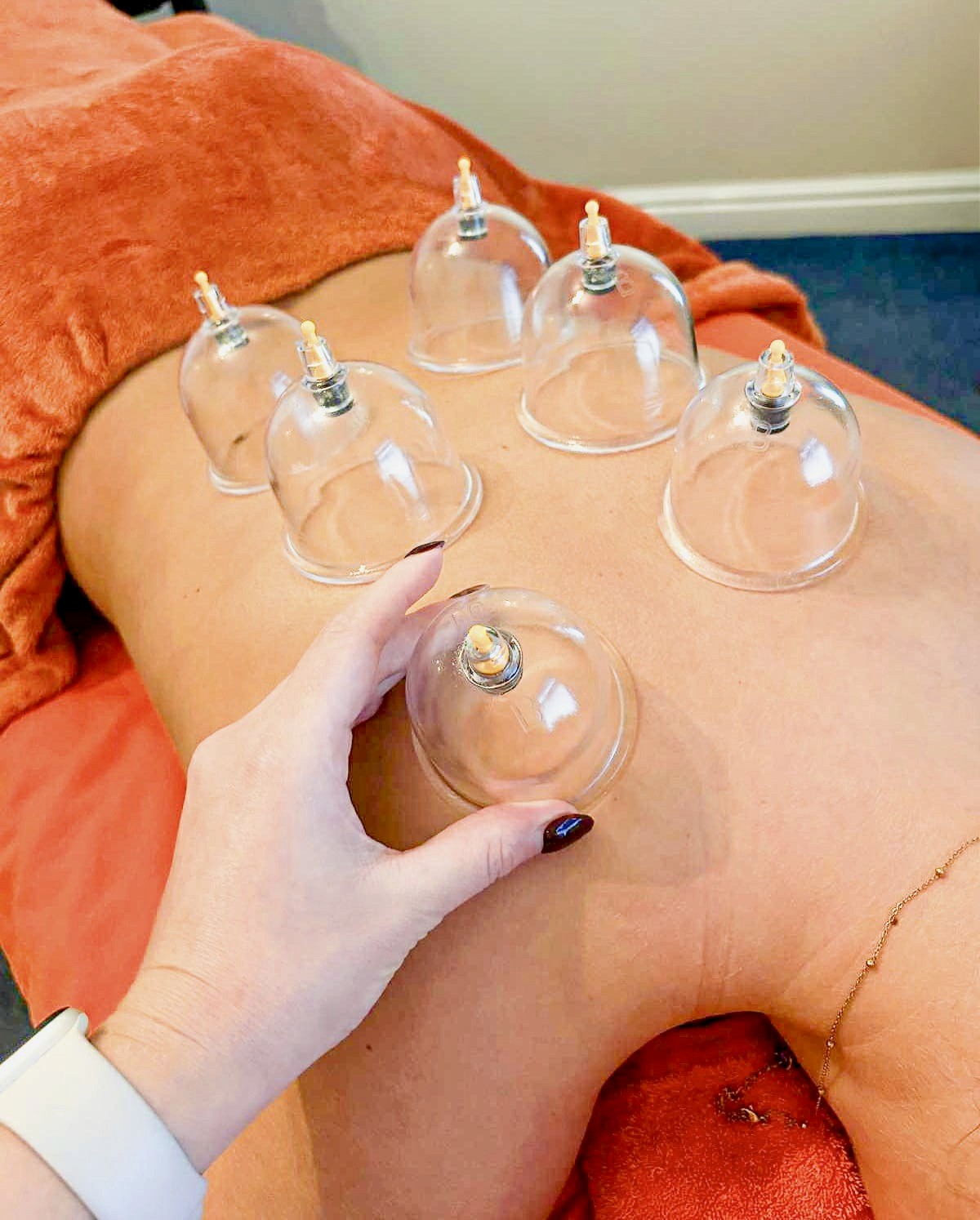
How does myofascial dry cupping help with reducing muscle soreness, inflammation and aid in the recovery of soft tissues?
It's a type of manual therapy technique often combined with massage. The aim it to treat pain, muscle tightness and mobility restrictions. Dry cupping involves the use of suction cups (usually plastic), which are applied to the skin. This lifts the skin up and helps separate the fascia – connective tissue which surrounds muscles, bones and organs. The penultimate goal is to target muscle tightness, knots and restricted fascia.
How it works:
Suction is applied to the skin which creates negative pressure.
This lifts the skin and fascia away from the muscles targeted.
Creating a decompression effect which releases fascial adhesions and muscle tension.
What are the benefits?
Cupping aims to help improve tissue mobility.
Reduce muscle tension and trigger points.
Increase blood flow and lymphatic drainage.
Improve range of motion.
May help reduce pain and inflammation.
Enhance recovery in athletes.
What to expect:
Cupping is non-invasive and shouldn't be painful. You may feel a deep stretch or a mild pulling sensation during the treatment. Occasionally, you may see circular marks or mild bruising where the cups were applied – generally these aren't painful and will fade within a few days.
Common uses:
Cupping can be used to treat some of the following conditions:
Back and neck pain.
Shoulder tightness.
Plantar fasciitis.
IT band syndrome.
Chronic tension headaches.
Postural imbalances.
Recovery after intense physical activity.
What is Myofascial Dry Cupping?
16 Mar 2026
How does myofascial dry cupping help with reducing muscle soreness, inflammation and aid in the recovery of soft tissues?
It's a type of manual therapy technique often combined with massage. The aim it to treat pain, muscle tightness and mobility restrictions. Dry cupping involves the use of suction cups (usually plastic), which are applied to the skin. This lifts the skin up and helps separate the fascia – connective tissue which surrounds muscles, bones and organs. The penultimate goal is to target muscle tightness, knots and restricted fascia.
How it works:
Suction is applied to the skin which creates negative pressure.
This lifts the skin and fascia away from the muscles targeted.
Creating a decompression effect which releases fascial adhesions and muscle tension.
What are the benefits?
Cupping aims to help improve tissue mobility.
Reduce muscle tension and trigger points.
Increase blood flow and lymphatic drainage.
Improve range of motion.
May help reduce pain and inflammation.
Enhance recovery in athletes.
What to expect:
Cupping is non-invasive and shouldn't be painful. You may feel a deep stretch or a mild pulling sensation during the treatment. Occasionally, you may see circular marks or mild bruising where the cups were applied – generally these aren't painful and will fade within a few days.
Common uses:
Cupping can be used to treat some of the following conditions:
Back and neck pain.
Shoulder tightness.
Plantar fasciitis.
IT band syndrome.
Chronic tension headaches.
Postural imbalances.
Recovery after intense physical activity.
What is Myofascial Dry Cupping?
16 Mar 2026
How does myofascial dry cupping help with reducing muscle soreness, inflammation and aid in the recovery of soft tissues?
It's a type of manual therapy technique often combined with massage. The aim it to treat pain, muscle tightness and mobility restrictions. Dry cupping involves the use of suction cups (usually plastic), which are applied to the skin. This lifts the skin up and helps separate the fascia – connective tissue which surrounds muscles, bones and organs. The penultimate goal is to target muscle tightness, knots and restricted fascia.
How it works:
Suction is applied to the skin which creates negative pressure.
This lifts the skin and fascia away from the muscles targeted.
Creating a decompression effect which releases fascial adhesions and muscle tension.
What are the benefits?
Cupping aims to help improve tissue mobility.
Reduce muscle tension and trigger points.
Increase blood flow and lymphatic drainage.
Improve range of motion.
May help reduce pain and inflammation.
Enhance recovery in athletes.
What to expect:
Cupping is non-invasive and shouldn't be painful. You may feel a deep stretch or a mild pulling sensation during the treatment. Occasionally, you may see circular marks or mild bruising where the cups were applied – generally these aren't painful and will fade within a few days.
Common uses:
Cupping can be used to treat some of the following conditions:
Back and neck pain.
Shoulder tightness.
Plantar fasciitis.
IT band syndrome.
Chronic tension headaches.
Postural imbalances.
Recovery after intense physical activity.