Achilles Tendinopathy – What is it and how can Chiropractic Care and Sport Therapy Help?
23 Feb 2026
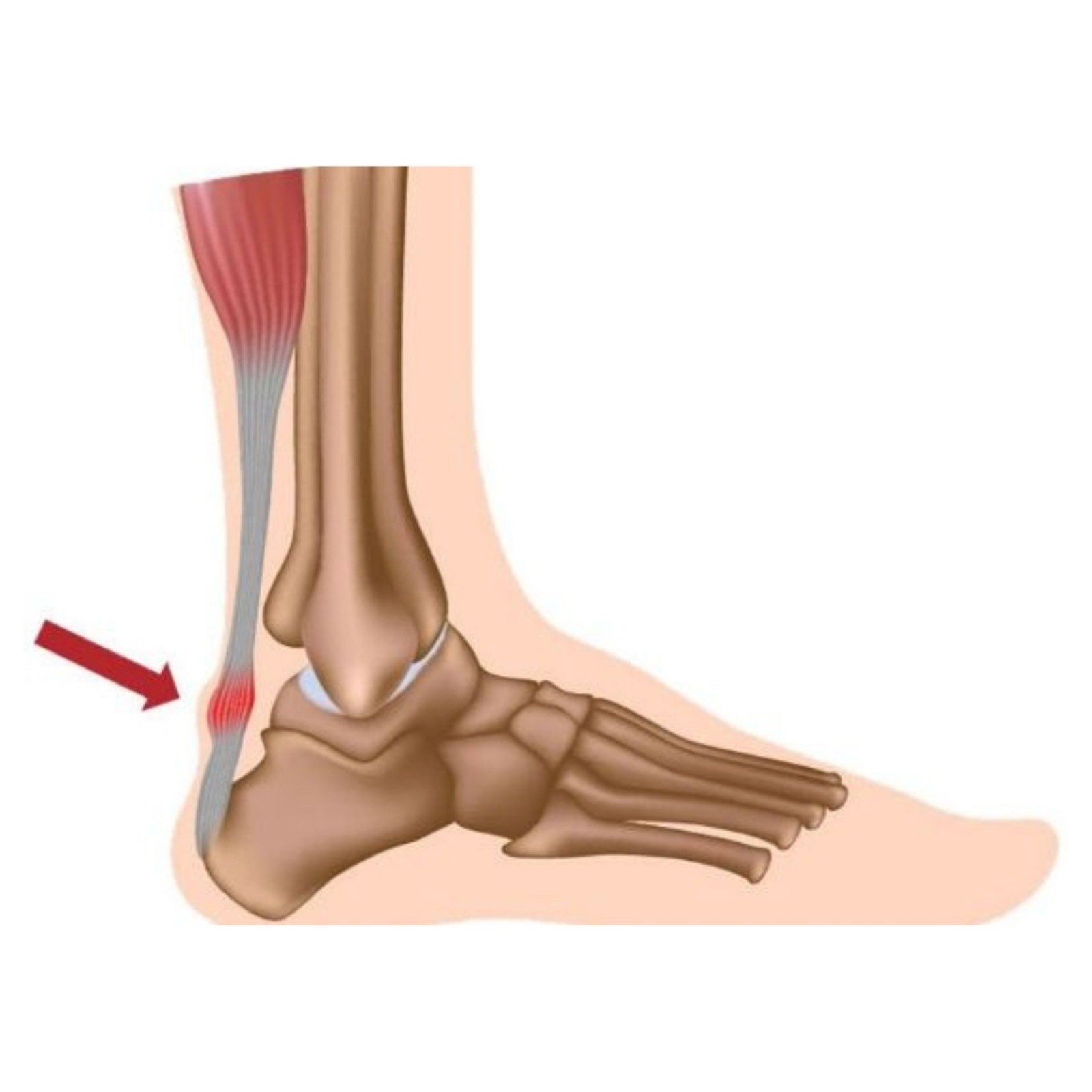
What is Achilles Tendinopathy?
Achilles tendinopathy – overuse injury of the Achilles tendon – the thick band of tissue which connects your calf muscles to your heel bone.
Common injury in runners, field-sport athletes and people who suddenly increase walking intensity or hill work – it can also affect less active individuals.
What is happening at the tendon:
Despite being called Achilles tendonitis – most cases are not inflammatory. Instead, it’s a degenerative overload condition:
The tendon becomes irritated from repeated strain.
Collagen fibers can then lose their normal structure.
The tendon may thicken.
Pain occurs with load.
Symptoms:
Pain and stiffness in the back of the heel or lower calf.
Morning stiffness (often worst after first few steps out of bed).
Pain at the start of activity which may ease as you warm-up.
Pain that worsens after exercise.
Local tenderness when squeezing the tendon.
Thickened or slightly swollen tendon.
Risk Factors:
Sudden increase in training load.
Hill running or speed work.
Tight calves.
Reduced ankle mobility.
Poor load recovery.
Foot biomechanics.
Inadequate footwear.
How Chiropractic Care Can Help:
Chiropractic management focuses on load management, mobility, and biomechanics rather than just symptom relief.
Joint Mobility.
Ankle joint restrictions can increase strain on Achilles.
Adjustments or mobilizations of the ankle, foot, and sometimes hip can improve mechanics.
Soft Tissue Therapy.
Instrument-assisted soft tissue work.
Myofascial release.
Trigger point therapy to calf muscles.
These can help improve tissue quality and reduce muscle tension contributing to tendon load.
Movement and Biomechanical Assessment.
Advice on footwear.
Activity modification strategies.
How Sports Therapy Helps:
Progressive strength programming.
Load management planning.
Return-to-sport protocols.
Plyometric reintroduction.
Taping or temporary heel lifts if indicated.
3 Simple Exercises to help with Achilles Tendinopathy:
Exercise 1, Eccentric Heel Drops
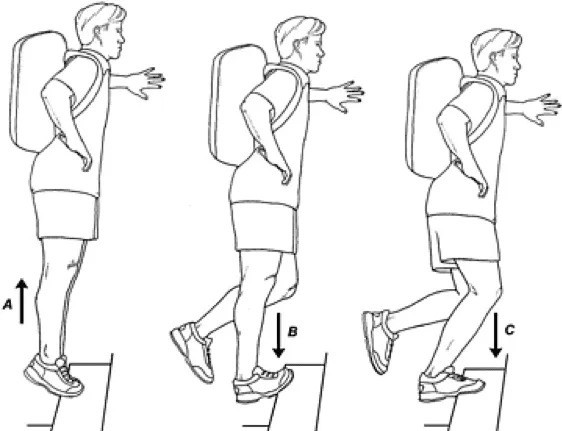
Stand on a step with heels hanging off.
Rise up on both feet.
Lift the unaffected foot.
Slowly lower down on the affected side (3-5 seconds).
Use both feet to return to the top.
Repeat 3 sets of 10-15 reps.
Mild discomfort is acceptable. Sharp pain is not.
Exercise 2, Isometric Calf Holds (For Pain Relief).
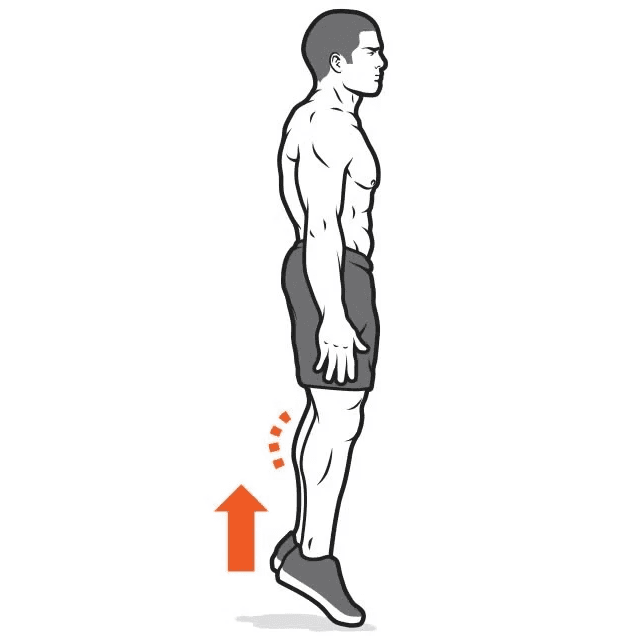
Rise onto toes.
Hold at the top for 30-45 seconds.
Repeat 4-5 times,
Aim to do this 1-2 times daily.
Exercise 3, Slow Heavy Calf Raises.
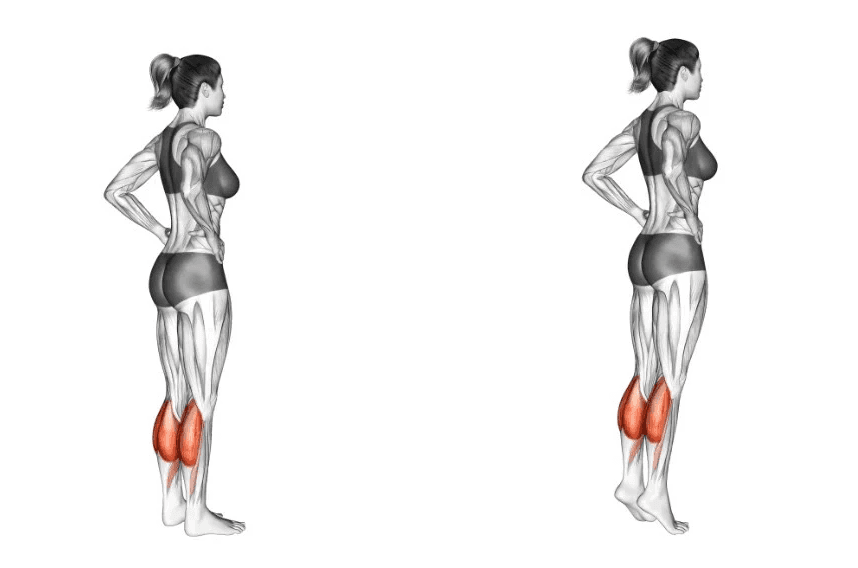
Stand on a flat, stable surface.
Rise up slowly (3 seconds to the top).
Pause for 1-2 seconds at the top.
Lower slowly (3 seconds down).
Perform 3-4 sets of 8-12 reps.
Frequency – 3-4 times.
Key Principles for Rehabilitation:
Tendons need progressive loading, not complete rest.
Mild discomfort during exercise is normal.
Improvement can take 8-12 weeks.
Consistency matters more than intensity.
Achilles Tendinopathy – What is it and how can Chiropractic Care and Sport Therapy Help?
23 Feb 2026
What is Achilles Tendinopathy?
Achilles tendinopathy – overuse injury of the Achilles tendon – the thick band of tissue which connects your calf muscles to your heel bone.
Common injury in runners, field-sport athletes and people who suddenly increase walking intensity or hill work – it can also affect less active individuals.
What is happening at the tendon:
Despite being called Achilles tendonitis – most cases are not inflammatory. Instead, it’s a degenerative overload condition:
The tendon becomes irritated from repeated strain.
Collagen fibers can then lose their normal structure.
The tendon may thicken.
Pain occurs with load.
Symptoms:
Pain and stiffness in the back of the heel or lower calf.
Morning stiffness (often worst after first few steps out of bed).
Pain at the start of activity which may ease as you warm-up.
Pain that worsens after exercise.
Local tenderness when squeezing the tendon.
Thickened or slightly swollen tendon.
Risk Factors:
Sudden increase in training load.
Hill running or speed work.
Tight calves.
Reduced ankle mobility.
Poor load recovery.
Foot biomechanics.
Inadequate footwear.
How Chiropractic Care Can Help:
Chiropractic management focuses on load management, mobility, and biomechanics rather than just symptom relief.
Joint Mobility.
Ankle joint restrictions can increase strain on Achilles.
Adjustments or mobilizations of the ankle, foot, and sometimes hip can improve mechanics.
Soft Tissue Therapy.
Instrument-assisted soft tissue work.
Myofascial release.
Trigger point therapy to calf muscles.
These can help improve tissue quality and reduce muscle tension contributing to tendon load.
Movement and Biomechanical Assessment.
Advice on footwear.
Activity modification strategies.
How Sports Therapy Helps:
Progressive strength programming.
Load management planning.
Return-to-sport protocols.
Plyometric reintroduction.
Taping or temporary heel lifts if indicated.
3 Simple Exercises to help with Achilles Tendinopathy:
Exercise 1, Eccentric Heel Drops
Stand on a step with heels hanging off.
Rise up on both feet.
Lift the unaffected foot.
Slowly lower down on the affected side (3-5 seconds).
Use both feet to return to the top.
Repeat 3 sets of 10-15 reps.
Mild discomfort is acceptable. Sharp pain is not.
Exercise 2, Isometric Calf Holds (For Pain Relief).
Rise onto toes.
Hold at the top for 30-45 seconds.
Repeat 4-5 times,
Aim to do this 1-2 times daily.
Exercise 3, Slow Heavy Calf Raises.
Stand on a flat, stable surface.
Rise up slowly (3 seconds to the top).
Pause for 1-2 seconds at the top.
Lower slowly (3 seconds down).
Perform 3-4 sets of 8-12 reps.
Frequency – 3-4 times.
Key Principles for Rehabilitation:
Tendons need progressive loading, not complete rest.
Mild discomfort during exercise is normal.
Improvement can take 8-12 weeks.
Consistency matters more than intensity.
Achilles Tendinopathy – What is it and how can Chiropractic Care and Sport Therapy Help?
23 Feb 2026
What is Achilles Tendinopathy?
Achilles tendinopathy – overuse injury of the Achilles tendon – the thick band of tissue which connects your calf muscles to your heel bone.
Common injury in runners, field-sport athletes and people who suddenly increase walking intensity or hill work – it can also affect less active individuals.
What is happening at the tendon:
Despite being called Achilles tendonitis – most cases are not inflammatory. Instead, it’s a degenerative overload condition:
The tendon becomes irritated from repeated strain.
Collagen fibers can then lose their normal structure.
The tendon may thicken.
Pain occurs with load.
Symptoms:
Pain and stiffness in the back of the heel or lower calf.
Morning stiffness (often worst after first few steps out of bed).
Pain at the start of activity which may ease as you warm-up.
Pain that worsens after exercise.
Local tenderness when squeezing the tendon.
Thickened or slightly swollen tendon.
Risk Factors:
Sudden increase in training load.
Hill running or speed work.
Tight calves.
Reduced ankle mobility.
Poor load recovery.
Foot biomechanics.
Inadequate footwear.
How Chiropractic Care Can Help:
Chiropractic management focuses on load management, mobility, and biomechanics rather than just symptom relief.
Joint Mobility.
Ankle joint restrictions can increase strain on Achilles.
Adjustments or mobilizations of the ankle, foot, and sometimes hip can improve mechanics.
Soft Tissue Therapy.
Instrument-assisted soft tissue work.
Myofascial release.
Trigger point therapy to calf muscles.
These can help improve tissue quality and reduce muscle tension contributing to tendon load.
Movement and Biomechanical Assessment.
Advice on footwear.
Activity modification strategies.
How Sports Therapy Helps:
Progressive strength programming.
Load management planning.
Return-to-sport protocols.
Plyometric reintroduction.
Taping or temporary heel lifts if indicated.
3 Simple Exercises to help with Achilles Tendinopathy:
Exercise 1, Eccentric Heel Drops
Stand on a step with heels hanging off.
Rise up on both feet.
Lift the unaffected foot.
Slowly lower down on the affected side (3-5 seconds).
Use both feet to return to the top.
Repeat 3 sets of 10-15 reps.
Mild discomfort is acceptable. Sharp pain is not.
Exercise 2, Isometric Calf Holds (For Pain Relief).
Rise onto toes.
Hold at the top for 30-45 seconds.
Repeat 4-5 times,
Aim to do this 1-2 times daily.
Exercise 3, Slow Heavy Calf Raises.
Stand on a flat, stable surface.
Rise up slowly (3 seconds to the top).
Pause for 1-2 seconds at the top.
Lower slowly (3 seconds down).
Perform 3-4 sets of 8-12 reps.
Frequency – 3-4 times.
Key Principles for Rehabilitation:
Tendons need progressive loading, not complete rest.
Mild discomfort during exercise is normal.
Improvement can take 8-12 weeks.
Consistency matters more than intensity.