Text Neck and Tech Neck: How Screen Time Affects Your Spine and How Chiropractic Care Can Help
20 Jul 2026
Text Neck and Tech Neck: How Screen Time Affects Your Spine and How Chiropractic Care Can Help
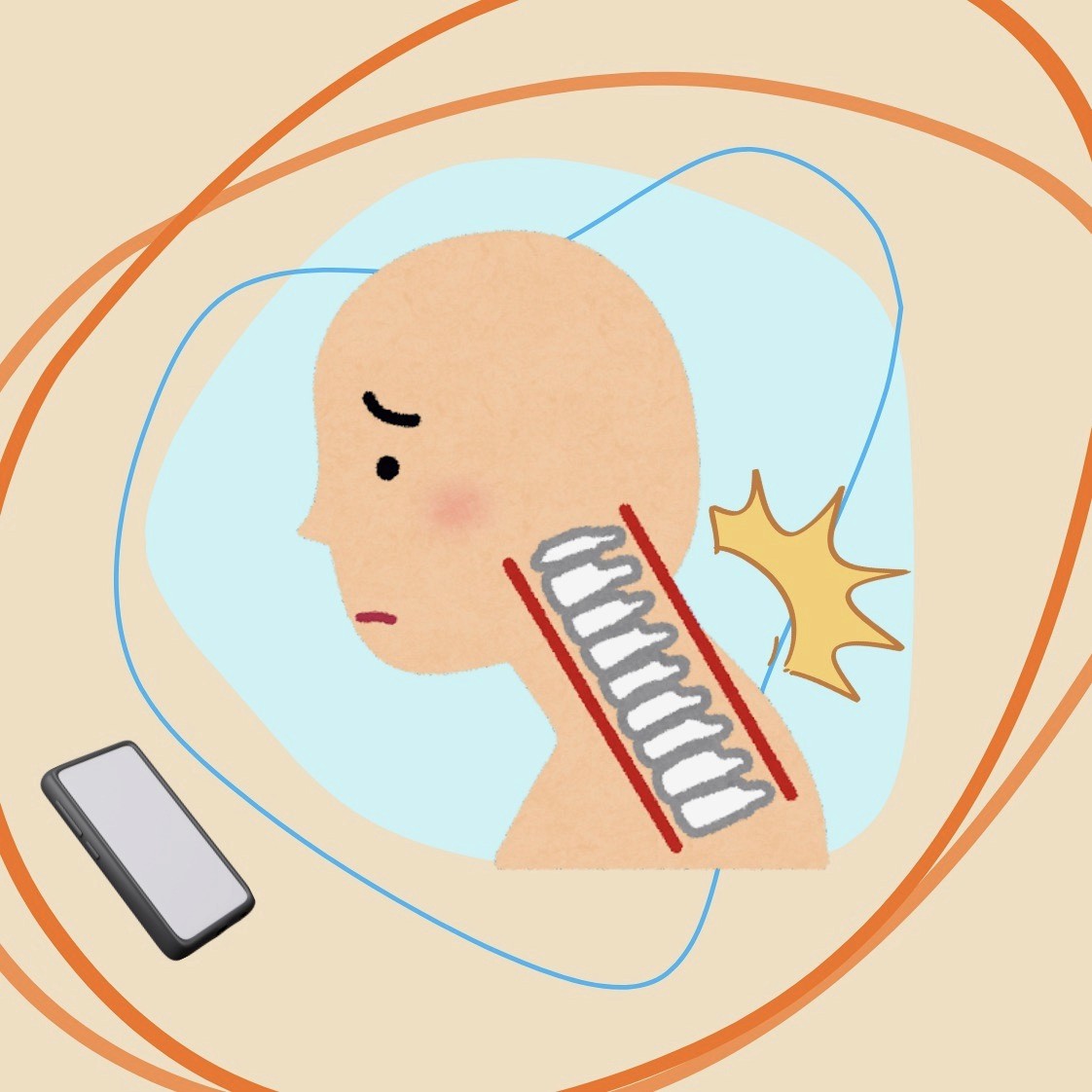
In today's digital world, many of us spend hours each day looking down at smartphones, tablets, laptops, and other devices. This prolonged forward-head posture has led to a growing condition commonly known as text neck, sometimes called tech neck. While it may seem harmless at first, repetitive poor posture can contribute to discomfort, reduced mobility, and long-term musculoskeletal issues.
If you are also dealing with neck pain from sitting at a desk, you may find our guide on neck pain from sitting helpful alongside this article.
What Is Text Neck and Why Does Forward Head Posture Matter?
The human head weighs approximately 4–5 kilograms when positioned directly over the spine. As the head tilts forward, the effective load on the neck increases significantly, the greater the angle of forward flexion, the more stress is placed on the cervical spine, muscles, ligaments, and surrounding tissues.
Common activities that contribute to text neck include:
Reading or scrolling on smartphones
Working on laptops without proper ergonomics
Gaming on handheld devices
Extended tablet use
Poor workstation setup
Over time, these habits can lead to excessive strain and postural imbalances.
Common Symptoms of Text Neck to Watch Out For
Individuals experiencing text neck may notice:
Neck pain and stiffness
Shoulder tension
Upper back discomfort
Frequent headaches
Reduced neck mobility
Muscle fatigue
Tingling or numbness in the arms and hands
Poor posture and rounded shoulders
Pain or discomfort in the hands, thumbs, wrists and elbows
Symptoms may begin as mild discomfort but can become more persistent if left unaddressed.
How Chiropractic Care Can Help Relieve Text Neck Symptoms
Chiropractic care focuses on the relationship between the spine, nervous system, and overall musculoskeletal function. For patients dealing with text neck, a chiropractor can provide a comprehensive approach to relieving symptoms and improving posture.
Spinal Assessment and Postural Evaluation
A chiropractor will assess spinal alignment, posture, joint mobility, and muscle function to identify the underlying causes of discomfort. This evaluation helps create a personalised treatment plan based on your specific needs.
Chiropractic Adjustments
Gentle chiropractic adjustments may help restore proper movement to restricted joints in the neck and upper back. Improved joint mobility can reduce tension, enhance function, and support healthier posture patterns.
Soft Tissue Therapy for Tight Muscles and Connective Tissue
Text neck often involves tight muscles and connective tissues. Our soft tissue therapy, including myofascial release, trigger point therapy, and muscle stretching — can help relieve tension and improve flexibility.
Corrective Exercises to Strengthen Postural Muscles
Targeted exercises can strengthen weakened postural muscles while improving stability and endurance. Common recommendations include:
Deep neck flexor strengthening
Upper back and shoulder stabilisation
Chest muscle stretching
Postural retraining exercises
These exercises support long-term improvements and reduce the likelihood of recurring symptoms. We have also put together a short exercise video with stretches you can do at home to help with text neck.
Ergonomic and Lifestyle Guidance
A key part of treatment involves addressing the habits that contribute to text neck. Practical recommendations often include:
Holding devices at eye level
Taking regular movement breaks every 10–15 minutes
Optimising workstation ergonomics
Using supportive seating
Practising good posture throughout the day
Using a stand for your device
Using voice-to-text where possible
Avoiding leaning on hard surfaces when using your phone
Small adjustments to your daily routine can make a significant difference in reducing strain on the spine.
Simple Tips to Prevent Text Neck
Prevention is often the best strategy. Keep screens at eye level wherever possible, take frequent stretching breaks, maintain good sitting posture, and strengthen your postural muscles through regular exercise. Avoiding prolonged periods of looking down at devices is one of the most effective steps you can take.
When to Seek Help for Text Neck or Neck Pain
Text neck has become one of the most common posture-related complaints in our technology-driven society. While smartphones and digital devices are here to stay, the discomfort associated with poor posture does not have to be a permanent part of your daily life.
If you are experiencing persistent neck pain, headaches, shoulder tension, or reduced mobility, our team at LSRC can help. Through spinal assessment, chiropractic adjustments, soft tissue therapy, and ergonomic advice, we can support you in managing text neck symptoms and improving your long-term spinal health.
Book an appointment at our Leamington Spa or Redditch clinic and take the first step towards a more comfortable, pain-free life.
Text Neck and Tech Neck: How Screen Time Affects Your Spine and How Chiropractic Care Can Help
20 Jul 2026
Text Neck and Tech Neck: How Screen Time Affects Your Spine and How Chiropractic Care Can Help
In today's digital world, many of us spend hours each day looking down at smartphones, tablets, laptops, and other devices. This prolonged forward-head posture has led to a growing condition commonly known as text neck, sometimes called tech neck. While it may seem harmless at first, repetitive poor posture can contribute to discomfort, reduced mobility, and long-term musculoskeletal issues.
If you are also dealing with neck pain from sitting at a desk, you may find our guide on neck pain from sitting helpful alongside this article.
What Is Text Neck and Why Does Forward Head Posture Matter?
The human head weighs approximately 4–5 kilograms when positioned directly over the spine. As the head tilts forward, the effective load on the neck increases significantly, the greater the angle of forward flexion, the more stress is placed on the cervical spine, muscles, ligaments, and surrounding tissues.
Common activities that contribute to text neck include:
Reading or scrolling on smartphones
Working on laptops without proper ergonomics
Gaming on handheld devices
Extended tablet use
Poor workstation setup
Over time, these habits can lead to excessive strain and postural imbalances.
Common Symptoms of Text Neck to Watch Out For
Individuals experiencing text neck may notice:
Neck pain and stiffness
Shoulder tension
Upper back discomfort
Frequent headaches
Reduced neck mobility
Muscle fatigue
Tingling or numbness in the arms and hands
Poor posture and rounded shoulders
Pain or discomfort in the hands, thumbs, wrists and elbows
Symptoms may begin as mild discomfort but can become more persistent if left unaddressed.
How Chiropractic Care Can Help Relieve Text Neck Symptoms
Chiropractic care focuses on the relationship between the spine, nervous system, and overall musculoskeletal function. For patients dealing with text neck, a chiropractor can provide a comprehensive approach to relieving symptoms and improving posture.
Spinal Assessment and Postural Evaluation
A chiropractor will assess spinal alignment, posture, joint mobility, and muscle function to identify the underlying causes of discomfort. This evaluation helps create a personalised treatment plan based on your specific needs.
Chiropractic Adjustments
Gentle chiropractic adjustments may help restore proper movement to restricted joints in the neck and upper back. Improved joint mobility can reduce tension, enhance function, and support healthier posture patterns.
Soft Tissue Therapy for Tight Muscles and Connective Tissue
Text neck often involves tight muscles and connective tissues. Our soft tissue therapy, including myofascial release, trigger point therapy, and muscle stretching — can help relieve tension and improve flexibility.
Corrective Exercises to Strengthen Postural Muscles
Targeted exercises can strengthen weakened postural muscles while improving stability and endurance. Common recommendations include:
Deep neck flexor strengthening
Upper back and shoulder stabilisation
Chest muscle stretching
Postural retraining exercises
These exercises support long-term improvements and reduce the likelihood of recurring symptoms. We have also put together a short exercise video with stretches you can do at home to help with text neck.
Ergonomic and Lifestyle Guidance
A key part of treatment involves addressing the habits that contribute to text neck. Practical recommendations often include:
Holding devices at eye level
Taking regular movement breaks every 10–15 minutes
Optimising workstation ergonomics
Using supportive seating
Practising good posture throughout the day
Using a stand for your device
Using voice-to-text where possible
Avoiding leaning on hard surfaces when using your phone
Small adjustments to your daily routine can make a significant difference in reducing strain on the spine.
Simple Tips to Prevent Text Neck
Prevention is often the best strategy. Keep screens at eye level wherever possible, take frequent stretching breaks, maintain good sitting posture, and strengthen your postural muscles through regular exercise. Avoiding prolonged periods of looking down at devices is one of the most effective steps you can take.
When to Seek Help for Text Neck or Neck Pain
Text neck has become one of the most common posture-related complaints in our technology-driven society. While smartphones and digital devices are here to stay, the discomfort associated with poor posture does not have to be a permanent part of your daily life.
If you are experiencing persistent neck pain, headaches, shoulder tension, or reduced mobility, our team at LSRC can help. Through spinal assessment, chiropractic adjustments, soft tissue therapy, and ergonomic advice, we can support you in managing text neck symptoms and improving your long-term spinal health.
Book an appointment at our Leamington Spa or Redditch clinic and take the first step towards a more comfortable, pain-free life.
Text Neck and Tech Neck: How Screen Time Affects Your Spine and How Chiropractic Care Can Help
20 Jul 2026
Text Neck and Tech Neck: How Screen Time Affects Your Spine and How Chiropractic Care Can Help
In today's digital world, many of us spend hours each day looking down at smartphones, tablets, laptops, and other devices. This prolonged forward-head posture has led to a growing condition commonly known as text neck, sometimes called tech neck. While it may seem harmless at first, repetitive poor posture can contribute to discomfort, reduced mobility, and long-term musculoskeletal issues.
If you are also dealing with neck pain from sitting at a desk, you may find our guide on neck pain from sitting helpful alongside this article.
What Is Text Neck and Why Does Forward Head Posture Matter?
The human head weighs approximately 4–5 kilograms when positioned directly over the spine. As the head tilts forward, the effective load on the neck increases significantly, the greater the angle of forward flexion, the more stress is placed on the cervical spine, muscles, ligaments, and surrounding tissues.
Common activities that contribute to text neck include:
Reading or scrolling on smartphones
Working on laptops without proper ergonomics
Gaming on handheld devices
Extended tablet use
Poor workstation setup
Over time, these habits can lead to excessive strain and postural imbalances.
Common Symptoms of Text Neck to Watch Out For
Individuals experiencing text neck may notice:
Neck pain and stiffness
Shoulder tension
Upper back discomfort
Frequent headaches
Reduced neck mobility
Muscle fatigue
Tingling or numbness in the arms and hands
Poor posture and rounded shoulders
Pain or discomfort in the hands, thumbs, wrists and elbows
Symptoms may begin as mild discomfort but can become more persistent if left unaddressed.
How Chiropractic Care Can Help Relieve Text Neck Symptoms
Chiropractic care focuses on the relationship between the spine, nervous system, and overall musculoskeletal function. For patients dealing with text neck, a chiropractor can provide a comprehensive approach to relieving symptoms and improving posture.
Spinal Assessment and Postural Evaluation
A chiropractor will assess spinal alignment, posture, joint mobility, and muscle function to identify the underlying causes of discomfort. This evaluation helps create a personalised treatment plan based on your specific needs.
Chiropractic Adjustments
Gentle chiropractic adjustments may help restore proper movement to restricted joints in the neck and upper back. Improved joint mobility can reduce tension, enhance function, and support healthier posture patterns.
Soft Tissue Therapy for Tight Muscles and Connective Tissue
Text neck often involves tight muscles and connective tissues. Our soft tissue therapy, including myofascial release, trigger point therapy, and muscle stretching — can help relieve tension and improve flexibility.
Corrective Exercises to Strengthen Postural Muscles
Targeted exercises can strengthen weakened postural muscles while improving stability and endurance. Common recommendations include:
Deep neck flexor strengthening
Upper back and shoulder stabilisation
Chest muscle stretching
Postural retraining exercises
These exercises support long-term improvements and reduce the likelihood of recurring symptoms. We have also put together a short exercise video with stretches you can do at home to help with text neck.
Ergonomic and Lifestyle Guidance
A key part of treatment involves addressing the habits that contribute to text neck. Practical recommendations often include:
Holding devices at eye level
Taking regular movement breaks every 10–15 minutes
Optimising workstation ergonomics
Using supportive seating
Practising good posture throughout the day
Using a stand for your device
Using voice-to-text where possible
Avoiding leaning on hard surfaces when using your phone
Small adjustments to your daily routine can make a significant difference in reducing strain on the spine.
Simple Tips to Prevent Text Neck
Prevention is often the best strategy. Keep screens at eye level wherever possible, take frequent stretching breaks, maintain good sitting posture, and strengthen your postural muscles through regular exercise. Avoiding prolonged periods of looking down at devices is one of the most effective steps you can take.
When to Seek Help for Text Neck or Neck Pain
Text neck has become one of the most common posture-related complaints in our technology-driven society. While smartphones and digital devices are here to stay, the discomfort associated with poor posture does not have to be a permanent part of your daily life.
If you are experiencing persistent neck pain, headaches, shoulder tension, or reduced mobility, our team at LSRC can help. Through spinal assessment, chiropractic adjustments, soft tissue therapy, and ergonomic advice, we can support you in managing text neck symptoms and improving your long-term spinal health.
Book an appointment at our Leamington Spa or Redditch clinic and take the first step towards a more comfortable, pain-free life.